
 all resources & insights
3 Big Things I Learned When I Got Fired
ConantLeadership Founder, Doug Conant, originally published this post in 2014 (and an adapted version became the opening story in his latest book, The Blueprint). Now, over a decade later, we present this piece, updated with fresh eyes, as part of our “Golden Anniversary” collection: a treasury of Doug’s thought leadership, revamped to help you meet the current moment, as we celebrate his 50 years in leadership. (Read the previous piece in the collection: “3 Reasons Why Pressure is a Privilege.”)
In the Spring of 1984, I drove to my job as the Director of Marketing for the Parker Brothers Toy & Game Company (a former subsidiary of General Mills). I can remember that drive vividly. The sea air wafting off Boston’s North Shore filled my senses. It was a beautiful day: serene and promising. Our company had recently changed ownership, and things had been a bit chaotic, but I still felt confident about my ability to meaningfully contribute.
The Vice President of Marketing greeted me when I arrived. Gravely, he asked me to step into his office. Without hesitation, he told me my position had been eliminated. I had been fired. Ten years of my career down the drain in a flash. I was heartbroken, bitter, and blindsided. Feeling dejected, and every bit the victim, I returned home to my wife, my two small children, and my one very big mortgage. My outlook was one of doom and gloom.
Luckily, the new owners connected me with an inspiring outplacement person who would dramatically change my view of life and leadership. His name was Neil MacKenna. Neil was a spirited, smart, crusty New Englander who had little tolerance for BS and “poor me” thinking. He wouldn’t let you inhabit the role of the victim, not even for a minute. With Neil’s guidance, losing my job became an important learning experience about what leadership should be.
Of the many lessons I learned under Neil’s tutelage, here are three I’ve found remarkably powerful in their simplicity. Hopefully they will inspire you, too.
Always Offer To Help
The very first words Neil ever uttered to me were, “How can I help?”
Sure, you might expect a first meeting with an outplacement counselor to begin that way. But those were the same words he said to me at the start of every single meeting afterwards. By beginning each interaction with a “how can I help” mentality, his earnest desire to be supportive shone brightly through our conversations.
In business, as in life, we can’t make it alone.
Neil listened intently. He didn’t judge. And he was wholeheartedly present throughout every conversation: He didn’t look at his watch, or the window, or the phone. This had a profound effect on me and led me to apply the same approach in my leadership journey.
Let’s face it: people can tell when you’re not there for them. If you’re not listening, if you’re not sincere, it is apparent. If you don’t show up for people, why should they show up for you?
Too many leaders are so entrenched in their own work that they lose sight of the opportunity to connect with people. I discovered that the more I offered to help the people with whom I worked, and the more I gave them the energy to fight the good fight for our company, the more they did the same for me, and the more productive our relationship became. This wasn’t transactional; it was about building mutual respect and genuine reciprocity.
Honor People With Your Time & Attention
Honor was important to Neil. Not only did he honor me with his time, attention, insight and energy, he also urged me to honor others mindfully.
In one productive exercise, Neil asked me to reflect carefully on the people who had inspired me along my life journey. How had they behaved towards me? How did I know they cared deeply about me and were invested in my success?
I realized the people who cared most about me had been both tough-minded on standards and kind-hearted with people. After I thought carefully about this, Neil challenged me to model the very behaviors I admired in those individuals. Why couldn’t I be that person to the people with whom I lived and worked?
Early in my career, I was shy and reserved.
So I set out to purposefully honor others in the same way my own mentors had honored me. I have found, since learning this lesson many years ago, that the more I honor others with conscientious attention, the more they honor me right back with their commitment, hard work, and trust. Simple. But powerful.
Give Thanks
In business, as in life, we can’t make it alone. We need help. Early in my career, I was shy and reserved. Diligent, hard-working, driven to succeed, yes—but I kept my head down and did my work quietly. I isolated myself. As a result, I was sadly disconnected from the business world when I lost my job, and lacked the skills to build a network. Suddenly, the pressure was on. Neil zoomed in on this and began equipping me with the tools to build a community.
My practice of writing over 30,000 thank you notes during my tenure as CEO of Campbell Soup Company is well documented. But this important ritual of giving thanks began way back when I was working to find a new job. Applying Neil’s advice, I got the name of every single person with whom I interacted, from the head of the company to the receptionist. The moment I left the building after a job interview, I’d walk next door to the closest coffee shop and hand-write thank you notes to every single person I met. Even after I secured my next job, I kept in touch with all the people I’d met along the way, maintaining thoughtful relationships, and vigilantly trying to be helpful in return.
Through this practice of connecting with people, honoring them, and thanking them for their contributions, I found myself surrounded by an ever-growing group of people who genuinely wanted to help me, and who knew I would do the same for them. Over the years, I’m happy to say I’ve had the opportunity to repay their kindness many times. And, I’ve developed a lifelong habit of giving thanks.
Was losing my job difficult and stressful? Yes. I wouldn’t wish it on anyone. But it led to my meeting Neil MacKenna, who instilled in me many of the values that remain indispensable to me to this day: offering help, honoring others, and giving thanks. In the face of adversity, be alert to the Neil MacKennas that present themselves in your own life. Learn from them, grow, and give back along the way.
__________
What leadership lessons are you learning from your mentors? To get more support for thriving in the face of adversity, explore our LinkedIn Learning Course on Finding Your Leadership Purpose, enroll in our next Blueprint Leadership Boot Camp for mid to senior level leaders, or check out our STEPS Leadership Course for Administrative Professionals. And be sure to join our email list to receive newsletters and updates about how to thrive in work and life.
 About the Author: Doug Conant is Founder and CEO of ConantLeadership, former Chairman and Current Board Member of CECP, former CEO of Campbell Soup Company, Former President of Nabisco, former Chairman of Avon Products, and co-author of two bestselling leadership books, TouchPoints, and The Blueprint.

“Doug Conant is remarkable—and so is this work.“
– Stephen M. R. Covey
Author of The Speed of Trust
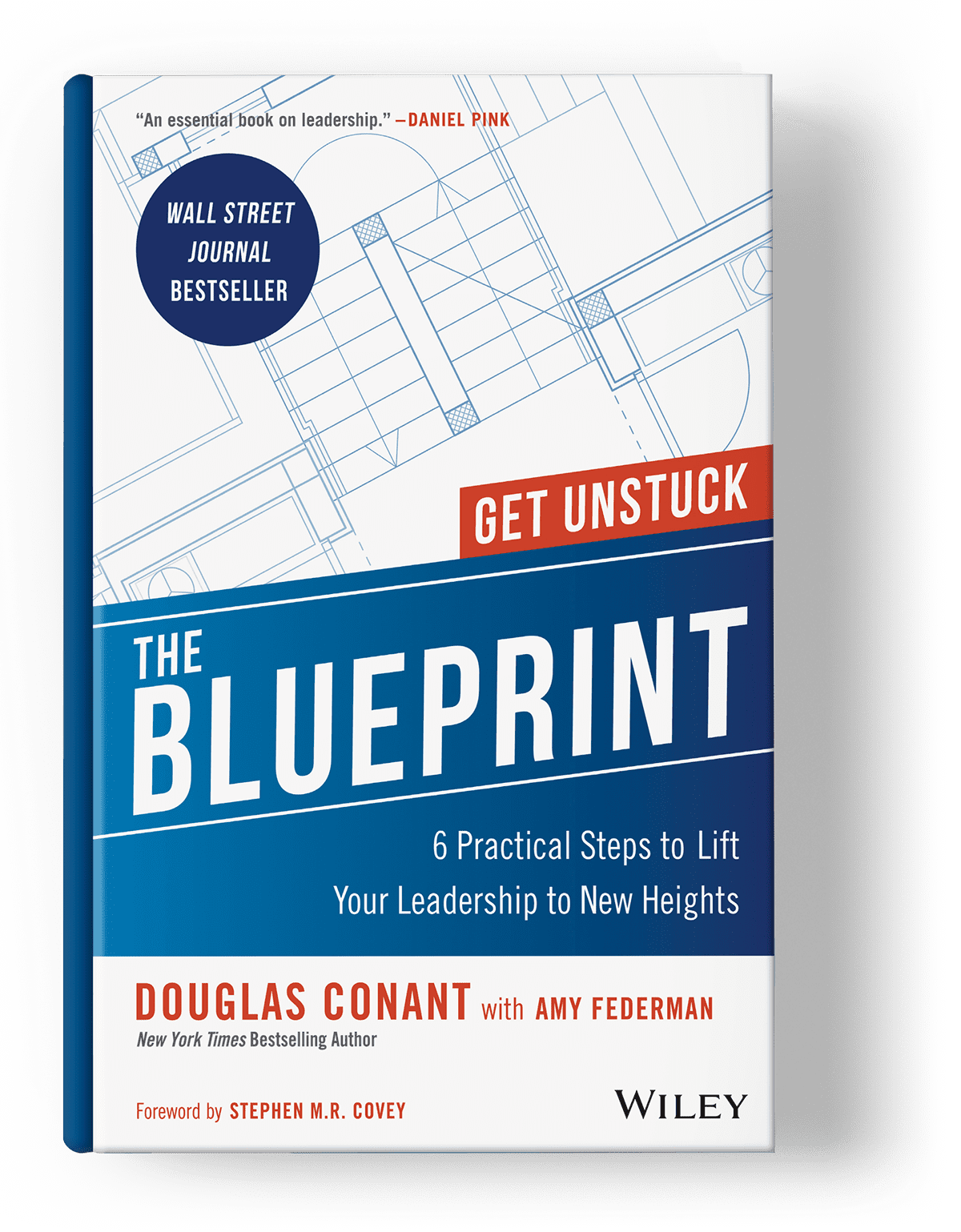
The Blueprint
6 Practical Steps to Lift Your Leadership to New Heights
By Douglas Conant with Amy Federman


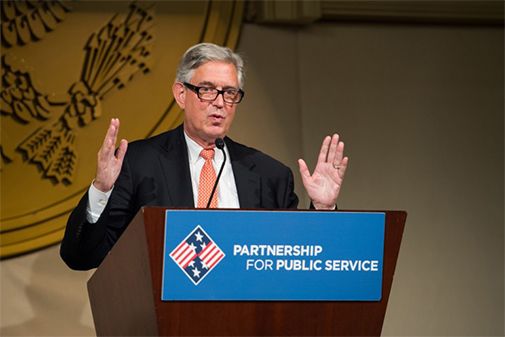
Have Doug Speak at Your Event
Doug works collaboratively with event organizers to customize his material for each audience.